

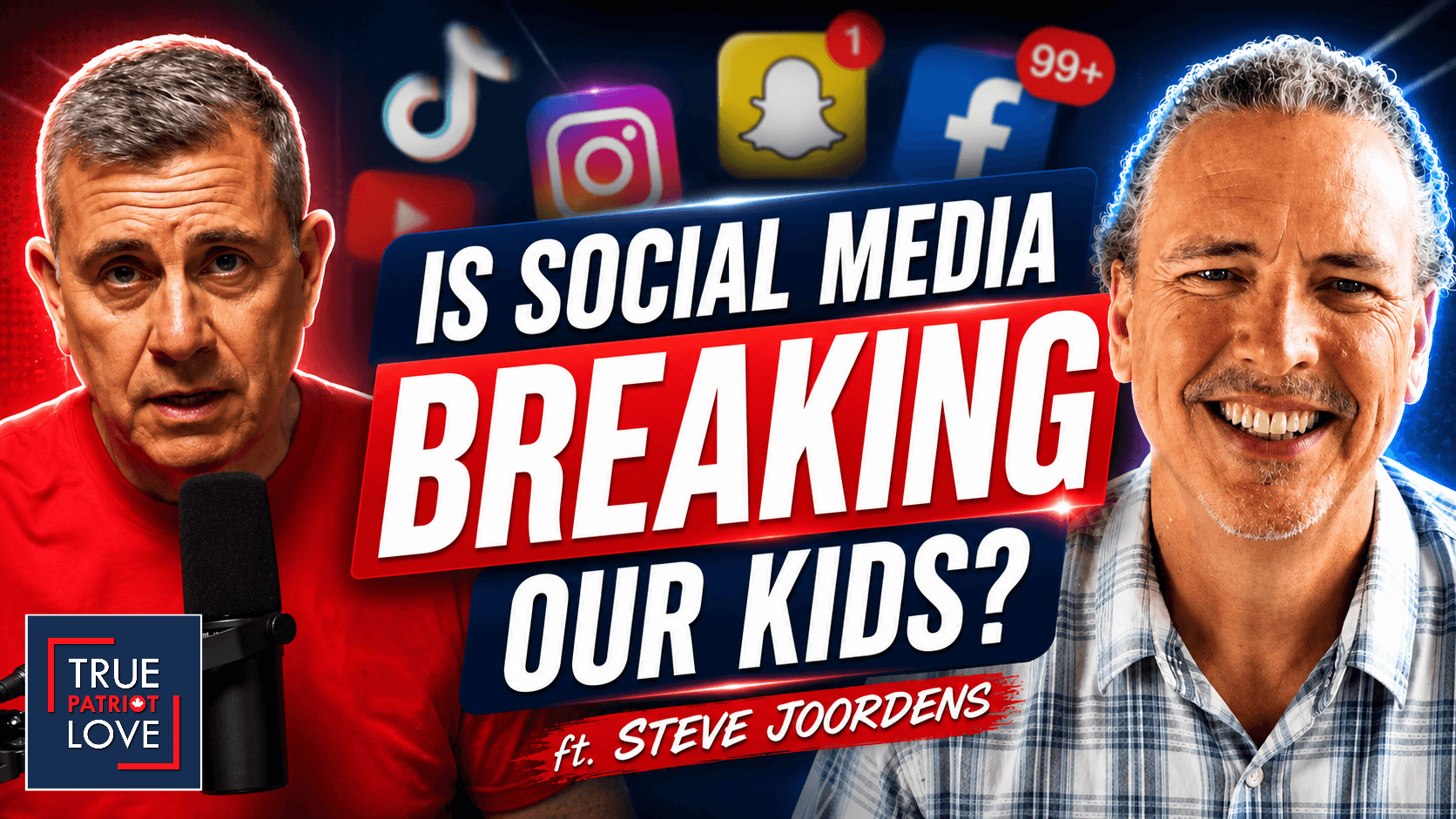
Is Social Media Breaking Our Kids? ft. Steve Joordens
Kids are losing the ability to talk face-to-face — and social media may be the reason.
Steve Joordens explains how phones, AI, dopamine, and anxiety are reshaping a generation.
In this episode, we break down:
• Why children under 16 are at the centre of new social media regulations
• How addictive social media platforms use random rewards and dopamine loops
• Why smartphones, texting, and social media may be fuelling social anxiety in young people
• How the loss of face-to-face communication is showing up in universities, job fairs, and workplaces
• Why AI may be used to rebuild conversation skills damaged by technology
• The growing concern around AI friends, loneliness, shallow relationships, and human connection
• How social anxiety could affect dating, marriage, birth rates, and the future of society
Hosts: Paul Micucci
Guests: Steve Joordens
Timestamps:
00:00 Intro
01:05 Steve Joordens joins the show
01:52 Canada’s proposed Safe Social Media Act
03:05 Why technology regulation may be overdue
05:13 Raising kids without smartphones
06:58 Meta lawsuits, Australia bans, and global pressure on Big Tech
08:42 Why social media is so addictive for children
10:08 Brain development, dopamine, and impulse control
11:08 Phones in bed and the sleep crisis
11:40 Video games, parenting, and limiting technology
13:05 How this is impacting universities and workplaces
14:31 Social connection, anxiety, and student mental health
16:06 Fear of negative evaluation and social media comparison
17:20 Why texting removes emotional cues
18:20 Job fairs, QR codes, and workplace communication struggles
20:46 Why social fluency is becoming a superpower
21:57 Using AI to help students practice conversation
23:54 AI at the Toronto Zoo and in consulting firms
25:23 Using technology to undo technology’s damage
26:39 Social anxiety in boardrooms and project teams
28:43 Emotional resonance, trust, and non-verbal communication
31:47 Consulting, young workers, and the future of professional firms
34:14 AI empathy and the risk of replacing human connection
36:23 Bill C-63, online harms, and social media policy
37:57 Dopamine, addiction, and behaviour
40:42 Why dopamine is about the chase, not the reward
43:33 AI friends, loneliness, and fake connection
45:51 Social anxiety, relationships, marriage, and birth rates
48:04 Gen Z, trust-based relationships, and human connection
48:50 Closing thoughts
If you enjoyed this, don’t forget to like, subscribe, and share your thoughts in the comments.
Visit https://www.tplmedia.ca
Pillars: Health, Happiness
#SocialMedia #MentalHealth #AI #Parenting #Dopamine
RELATED VIDEOS

8 Concussions Changed His Life Forever ft. Ryan Sutton & Seth Mendelsohn
Eight concussions changed Ryan Sutton’s life. One football concussion changed Seth Mendelsohn's. Their warning for athletes is big
Jim Lang

Did Canada Learn Anything From COVID-19?
Canada lost nearly 65,000 people to COVID-19, yet six years later there has still been no national inquiry into what went wrong.
Jim Lang, Liam DeBoer

Why Fasting Worked When Every Diet Failed Us
They lost nearly 50 pounds combined. Their biggest change was not another diet, but changing when and how often they ate. Paul an
Paul Micucci, Shara Micucci
-900x506.png&w=3840&q=75)
All the content you need for every media platform
Sponsored Ad

Canada Spends $399B on Healthcare. Why the Wait?
Canada spends nearly $400 billion on healthcare, yet patients still face doctor shortages, long waits, and growing hospital fundin
Paul Micucci, Liam DeBoer

The MAID Program ft Tom Koch
Medical Assistance in Dying (MAID) remains one of Canada's most controversial and emotionally charged public policy debates. Where
Mike Wixson

Canada’s Cancer Crisis: Why Are We Still Falling Behind?
Cancer remains one of the biggest health battles facing Canadians, and this conversation asks the hard question: why are cancer ra
Jim Lang, Paul Micucci

Exciting promotions on rkitchen.ca
Sponsored Ad