Health
According to verified 2023 federal dockets and joint Attorney General press releases, an overwhelming bipartisan coalition of 41 states sued Meta for adolescent addiction. Concurrently, over 1,000 public school districts joined multidistrict litigation claiming social media platforms create public nuisances by draining educational resources. This data highlights the unprecedented scale of legal backlash aimed at forcing major tech conglomerates to alter their algorithms and protect developing minds.
Sponsored Ad

Latest Videos in Health

8 Concussions Changed His Life Forever ft. Ryan Sutton & Seth Mendelsohn
Eight concussions changed Ryan Sutton’s life. One football concussion changed Seth Mendelsohn's. Their warning for athletes is big
Jim Lang

Did Canada Learn Anything From COVID-19?
Canada lost nearly 65,000 people to COVID-19, yet six years later there has still been no national inquiry into what went wrong.
Jim Lang, Liam DeBoer
Why Fasting Worked When Every Diet Failed Us
They lost nearly 50 pounds combined. Their biggest change was not another diet, but changing when and how often they ate. Paul an
Paul Micucci, Shara Micucci
-900x506.png&w=3840&q=75)
All the content you need for every media platform
Sponsored Ad

Canada Spends $399B on Healthcare. Why the Wait?
Canada spends nearly $400 billion on healthcare, yet patients still face doctor shortages, long waits, and growing hospital fundin
Paul Micucci, Liam DeBoer

The MAID Program ft Tom Koch
Medical Assistance in Dying (MAID) remains one of Canada's most controversial and emotionally charged public policy debates. Where
Mike Wixson
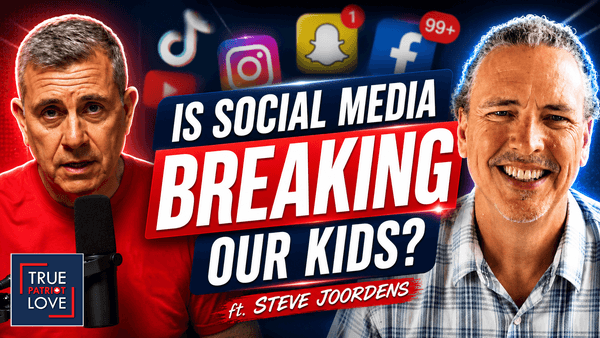
Is Social Media Breaking Our Kids? ft. Steve Joordens
Kids are losing the ability to talk face-to-face — and social media may be the reason. Steve Joordens explains how phones, AI, dop
Paul Micucci

Exciting promotions on rkitchen.ca
Sponsored Ad