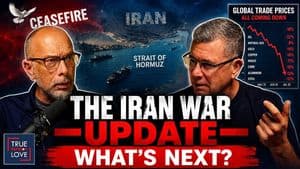
What does the latest U.S.-Iran agreement really mean for Canada? While much of the world is celebrating the possibility of reduced tensions in the Middle East, Mike Wixson and Paul Micucci take a closer look at the economic realities that could directly affect Canadians.
In this episode, they examine how the reopening of the Strait of Hormuz, falling oil prices, shifting global trade routes, and changes to international energy markets could impact Canada's economy, manufacturing sector, inflation, and energy industry. They also discuss whether Canada has been relying on elevated oil prices to mask deeper economic challenges, and what a prolonged decline in oil prices could mean for Alberta, federal revenues, and the country's broader economic outlook.
The conversation also explores the proposed U.S.-Iran agreement, reconstruction costs, sanctions, shipping logistics, uranium inspections, regional security, and the growing debate over who will ultimately pay for rebuilding efforts. Mike and Paul question whether Canada is prepared for the next phase of the global economy and whether major national infrastructure projects—particularly pipelines and domestic energy development—need to become an immediate priority.
With detailed economic analysis, historical comparisons, and a focus on Canada's long-term competitiveness, this episode asks the difficult questions surrounding energy independence, trade, manufacturing, and the country's future in an increasingly unstable world.
Do you think Canada is ready for the economic challenges ahead? Let us know your thoughts in the comments.
- Hosts: Mike Wixson, Paul Micucci
Pillars: Politics, Economy
Join www.tplmedia.ca for more in-depth discussions on Canadian politics, economics, public policy, and world events, or visist www.tplmedia/local for local stories.
#Canada #Iran #MiddleEast #OilPrices #Energy #Economy #Trade #Pipelines #Inflation #Geopolitics #Carney #Alberta #StraitOfHormuz #TPLMedia
RELATED VIDEOS
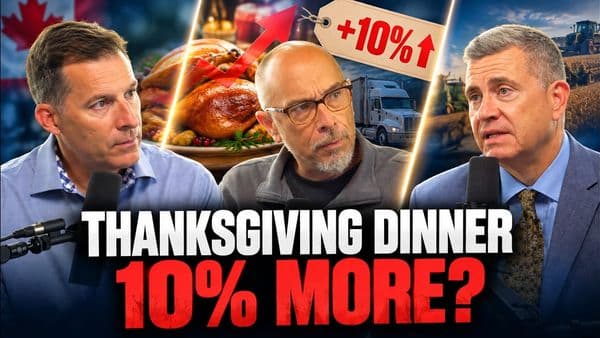
Is Canada About to Feel Trump’s Tariff Pain?
Thanksgiving dinner costs are climbing, diesel is squeezing farmers, and the bigger tariff hit may still be months away. Canada m
Mike Wixson, Paul Micucci, Jim Lang
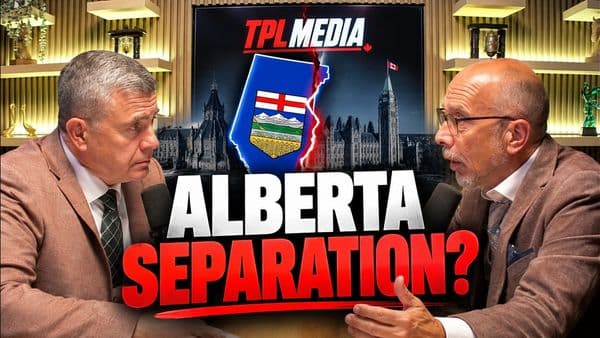
Alberta Separation: Could It Actually Happen?
Visit https://www.tplmedia.ca Alberta’s October vote could send a powerful message to Ottawa, but is separation even possible? T
Mike Wixson, Paul Micucci
Mark Carney for Nobel Peace Prize? Trump Won’t Like It
Visit https://www.tplmedia.ca Could Mark Carney really become Canada’s first Nobel Peace Prize winner since 1957? And if he does
Paul Micucci, Jim Lang
-900x506.png&w=3840&q=75)
All the content you need for every media platform
Sponsored Ad
Bill C-39: Real Reform or More Red Tape? ft. Liam DeBoer
Visit https://www.tplmedia.ca Canada says Bill C-39 will get major projects moving faster—but does it truly cut red tape, or just
Paul Micucci, Liam DeBoer
Canada’s Election Overload: Do Voters Really Want Change? ft. Anthony Furey
Visit https://www.tplmedia.ca Canada is heading into an election-heavy October, but voters are frustrated, financially stretched,
Paul Micucci
Could a Snap Election Break Canada’s Conservatives?
Visit https://www.tplmedia.ca Canada’s political map is shifting fast—and the possibility of a snap federal election is suddenly
Jim Lang, Mike Wixson, Paul Micucci

Exciting promotions on rkitchen.ca
Sponsored Ad